


Medical Chart Management: Best Practices for 2026
Medical chart management is a critical component of healthcare systems, directly influencing the quality of care provided to patients. Efficient medical chart organization reduces errors, improves accessibility to important information, and ensures compliance with legal and regulatory standards. Whether dealing with physical records or transitioning to digital systems, mastering the art of medical chart management is essential for healthcare professionals and administrative staff.
Review these best practices for managing medical charts in 2026 and enhance the patient experience.
Proper Documentation and Organization
Accurate documentation is the foundation of efficient medical chart management. It’s essential that every medical chart contains complete patient information, ongoing treatment plans, medication records, and contact details.
- Clarity: Use universally accepted abbreviations and avoid ambiguous terms.
- Chronology: Organizing records chronologically ensures that the most relevant information is easily accessible.
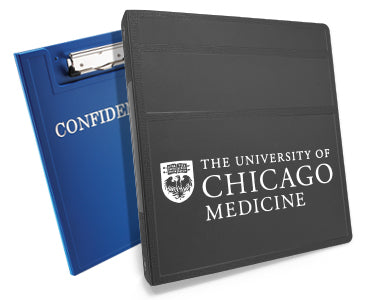
- Tools: For practices utilizing paper charts, dividers for 3-ring binders can significantly enhance organization. For digital charts, maintaining a structured template helps to standardize documentation across the system.
Comprehensive note-taking plays a critical role as well. Regardless of the healthcare setting, ensuring charts reflect precise details about consultations minimizes the chances of miscommunication during treatment.

Ensure Compliance With Regulatory Standards
Healthcare institutions must comply with legal frameworks such as HIPAA in the United States. Medical charting practices should prioritize patient privacy and data security at all times.
It is vital to implement strict policies for accessing, storing, and sharing medical records. Periodic employee training on privacy practices is necessary, and incorporating digital security protocols—such as data encryption, strong password policies, and activity logs—can further enhance compliance and audit preparedness.
Transitioning to Digital Records With EHR Systems
Electronic Health Record (EHR) systems have revolutionized the way medical charts are managed, bringing benefits like enhanced accessibility and streamlined communication. However, for EHR systems to function optimally, data migration from existing charts should be handled meticulously.
Proper training is indispensable during the transition phase. Staff members should receive guidance on navigating the digital interface and retrieving data efficiently. Crucially, while digital systems are the standard, institutions must maintain a protocol for paper charting backups. In the event of a system outage, technical failure, or cyber event, having a physical backup system ensures that patient care continues uninterrupted and vital information remains accessible. Take care to back up digital records regularly and establish recovery systems to safeguard against technical failures.
Standardize Processes for Record Maintenance
Standardizing procedures for medical record entry elevates operational efficiency. Creating consistent templates across departments ensures everyone follows the same format when updating charts. For healthcare providers overseeing multiple locations, establishing universal filing procedures mitigates confusion and duplication errors.
Minimize Errors With Double-Checks and Verification
Accuracy cannot be overstated. Errors like incorrect documentation of medication dosages can have significant consequences.
- Culture of Verification: Develop a habit of double-checking information with patients.
- Peer Reviews: Introduce systematic peer reviews where administrative and medical personnel collaborate to ensure data is reflective of current conditions.
Data Security Measures in the Digital Age
Securing patient information is paramount. For digital records, implementing robust cybersecurity measures like firewalls and multi-factor authentication (MFA) is essential.
For paper-based institutions, maintaining a secure physical environment is just as critical. Protect records by storing them in locked cabinets and limit physical access to these spaces. Shredding outdated or irrelevant files ensures that sensitive information is disposed of responsibly.
Simplify Chart Accessibility for Providers
Patient care can be compromised when accessing charts becomes cumbersome. Centralized digital systems help consolidate patient histories, lab results, and imaging into one interface.
Institutions with hybrid systems (paper and digital) must bridge the gap with clearly defined workflows. Having designated personnel track and retrieve paper charts expedites processes and alleviates bottlenecks.
Ongoing Training and Quality Assurance
Even the most advanced EHR systems cannot succeed without proper training. Regular educational sessions ensure personnel understand system updates and compliance standards.
Furthermore, consistent auditing helps guarantee systems remain effective. Internal audits identify areas of improvement, while technology-driven analytics within EHR systems can help administrators measure performance indicators like record accuracy or retrieval time.

Patient-Centered Management Strategies
Medical records ultimately serve the patients. Tailoring chart management practices around their needs can make a significant difference.
- Involvement: Encouraging patients to verify their personal information promotes involvement in their own care.
- Portals: Allowing individuals to access health records through patient portals fosters trust and transparency.
The Road to Efficient Medical Chart Management in 2026
Efficient management of medical charts is crucial for delivering high-quality healthcare. By implementing these best practices, healthcare institutions can enhance both clinical outcomes and operational efficiency. With the right balance of technology, training, and standardization, healthcare professionals can create a seamless system that benefits staff and patients alike.
The first step to ensuring your staff stays organized is to secure the best office supplies to facilitate clear and confident management. At Carstens, we’re happy to provide medical institutions with the organizational supplies they need to stay on top of their patients’ needs.

