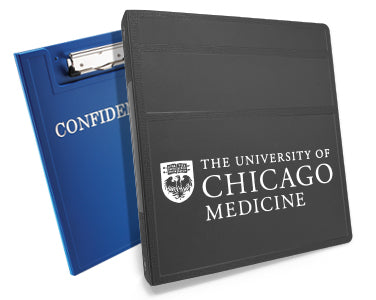

Nurses rely on practical, dependable tools to manage daily responsibilities while maintaining a high standard of patient care. Although digital documentation plays an important role in modern healthcare, physical tools remain valuable for organizing information, taking notes, and supporting communication. A well-designed nursing clipboard provides a convenient writing surface and helps caregivers keep essential documents accessible throughout their shifts.
Understanding the top features to look for in a nursing clipboard can help healthcare organizations select equipment that supports efficiency, organization, and comfort. From durable construction to convenient storage options, several characteristics influence how effectively a clipboard performs in demanding clinical environments.
Durable Construction for Daily Healthcare Use
Durability is one of the most important considerations when selecting a nursing clipboard. Healthcare professionals frequently move between patient rooms, nursing stations, treatment areas, and other clinical spaces. Their equipment must withstand repeated handling without becoming damaged or losing functionality.
Clipboards constructed from sturdy materials can provide dependable support throughout busy shifts. Reinforced surfaces, reliable fastening mechanisms, and quality construction help reduce the likelihood of premature wear.
Healthcare facilities should also consider how materials perform under regular cleaning and frequent use. Selecting durable equipment can help minimize replacements while supporting consistent documentation practices across departments.
Lightweight Design for Comfortable Handling
Nurses often carry multiple items while moving throughout healthcare facilities. A heavy or awkward clipboard can become inconvenient, particularly during long shifts involving frequent documentation and patient interactions.
Lightweight clipboards offer a practical solution by making it easier to transport paperwork between locations. Their manageable construction allows caregivers to carry essential documents without adding unnecessary weight to their daily equipment.
However, lightweight construction should not compromise durability. The ideal nursing clipboard balances portability with the structural strength necessary to provide a stable writing surface.

Secure Document-Holding Mechanisms
Keeping paperwork securely attached is essential in fast-paced healthcare settings. Loose documents can become misplaced, disorganized, or damaged, creating unnecessary interruptions during routine tasks.
A dependable clipboard should feature a strong holding mechanism that keeps papers in place while allowing easy access. Spring-loaded clips and other secure fastening designs can help prevent documents from shifting during movement.
The mechanism should also operate smoothly so nurses can add or remove paperwork without unnecessary effort. Reliable document retention supports organized workflows and helps caregivers maintain control over the information they handle.
Built-In Storage for Essential Documents
Storage capabilities can significantly influence the usefulness of a nursing clipboard. Healthcare professionals frequently work with multiple forms, notes, and reference materials that need to remain organized throughout their shifts.
Clipboards with integrated storage compartments provide space for keeping additional paperwork readily available. These compartments can help separate frequently used documents from materials that are needed less often.
Storage designs may also help protect paperwork from bending or accidental damage. When evaluating hospital clipboards, healthcare facilities should consider whether built-in storage would improve organization and reduce the need to carry additional folders.
Easy-to-Clean Surfaces for Clinical Environments
Cleanability is an important consideration for equipment used in healthcare facilities. Nursing clipboards may be handled frequently and transported between different care environments, making routine cleaning an essential part of their maintenance.
Smooth, nonporous surfaces can simplify cleaning by reducing areas where dirt and residue accumulate. Materials should also be compatible with the cleaning products and procedures established by the healthcare organization.
Facilities should review manufacturer guidance before selecting equipment for specific clinical applications. Choosing clipboards that accommodate appropriate cleaning practices helps support facility hygiene protocols and simplifies routine equipment maintenance.
A Stable and Comfortable Writing Surface
Despite the widespread adoption of electronic health records, handwritten documentation remains useful in many healthcare workflows. Nurses may need to record temporary notes, complete paper forms, or reference printed information while working away from a desk.
A clipboard with a firm, stable writing surface makes these tasks easier to manage. The surface should provide enough support for clear handwriting without excessive flexing or movement.
Comfort also matters during repeated use. Rounded edges, manageable dimensions, and an ergonomic design can make clipboards more convenient to handle during extended periods of documentation.
Appropriate Size for Common Healthcare Forms
Clipboard dimensions directly affect their practicality. A clipboard that is too small may not adequately support standard documents, while an oversized model can become difficult to carry or store.
Healthcare facilities should evaluate the types of paperwork their teams use most frequently. Standard letter-size documents are common in many administrative and clinical workflows, making compatibility with these forms an important consideration.
The overall dimensions should also accommodate the working environment. Compact designs may be preferable in areas with limited workspace, while larger clipboards can be useful when staff regularly handle multiple sheets.

Convenient Access to Frequently Used Information
Efficient access to information can help nurses maintain momentum throughout their daily responsibilities. A well-organized clipboard should make it easy to review notes, retrieve forms, and update documents without unnecessary searching.
Some clipboard designs include compartments, pockets, or other organizational features that support quick access to frequently used materials. These features can be particularly helpful when caregivers move between different tasks or patient care areas.
The arrangement of documents should remain intuitive and consistent. A clipboard that supports straightforward organization can reduce avoidable interruptions and allow healthcare professionals to concentrate on their immediate responsibilities.
Choosing the Right Nursing Clipboard for Your Facility
Selecting appropriate equipment begins with understanding how caregivers perform their daily tasks. Rather than focusing exclusively on individual product features, healthcare administrators should consider how a clipboard fits into the overall documentation process.
Evaluating the most important characteristics of a nursing clipboard involves balancing durability, portability, storage, cleanability, and ease of use. The right combination depends on the facility's workflows, staff preferences, and operational requirements.
Carstens understands the importance of practical organizational equipment in healthcare settings. Thoughtfully designed nursing clipboards and documentation solutions can help facilities create more organized work environments that support caregivers and the patients they serve.
Supporting Efficient Patient Care With Practical Tools
Nursing clipboards may appear simple, but their design can influence how conveniently healthcare professionals manage information throughout the day. Durable materials, secure document retention, comfortable handling, and appropriate storage all contribute to a more functional tool.
By selecting clipboards that align with existing workflows, healthcare facilities can support consistent documentation practices and reduce unnecessary organizational challenges. These improvements help caregivers spend less time managing paperwork and more time focusing on patient needs.