
Healthcare environments are evolving rapidly as patient expectations, technology, and operational needs continue to change. Modern medical facilities must balance efficiency, comfort, and adaptability while maintaining strict standards for safety and cleanliness. One of the most effective ways healthcare providers are achieving this balance is through flexible furniture solutions.
Flexible furniture solutions for modern medical facilities allow hospitals, clinics, and offices to adapt spaces quickly for different uses without expensive renovations. From waiting rooms and patient rooms to consultation areas and staff workspaces, adaptable furniture supports better workflows while creating a more comfortable environment for both patients and healthcare professionals.
Why Flexibility Matters in Healthcare Spaces
Medical facilities operate in a constantly shifting environment. Patient volumes fluctuate, departments expand, and new technologies often require adjustments to existing spaces. Traditional fixed furniture layouts can make these transitions difficult and costly.
Flexible furniture offers a solution by allowing healthcare spaces to be reconfigured as needs change. Movable seating, modular desks, adjustable workstations, and multi-purpose furniture allow rooms to serve different functions throughout the day.
For example, a consultation room may need to accommodate a private discussion between a physician and patient in the morning and transform into a collaborative workspace for staff later in the day. With adaptable furniture, these changes can be made quickly and easily.
Flexibility also plays an important role during emergencies or high patient demand. Spaces that can be quickly reorganized help facilities respond more effectively without compromising patient care.

Improving Patient Comfort and Experience
A patient’s perception of care often begins before they ever meet a healthcare provider. Waiting rooms, reception areas, and consultation spaces shape the overall experience, influencing comfort and anxiety levels.
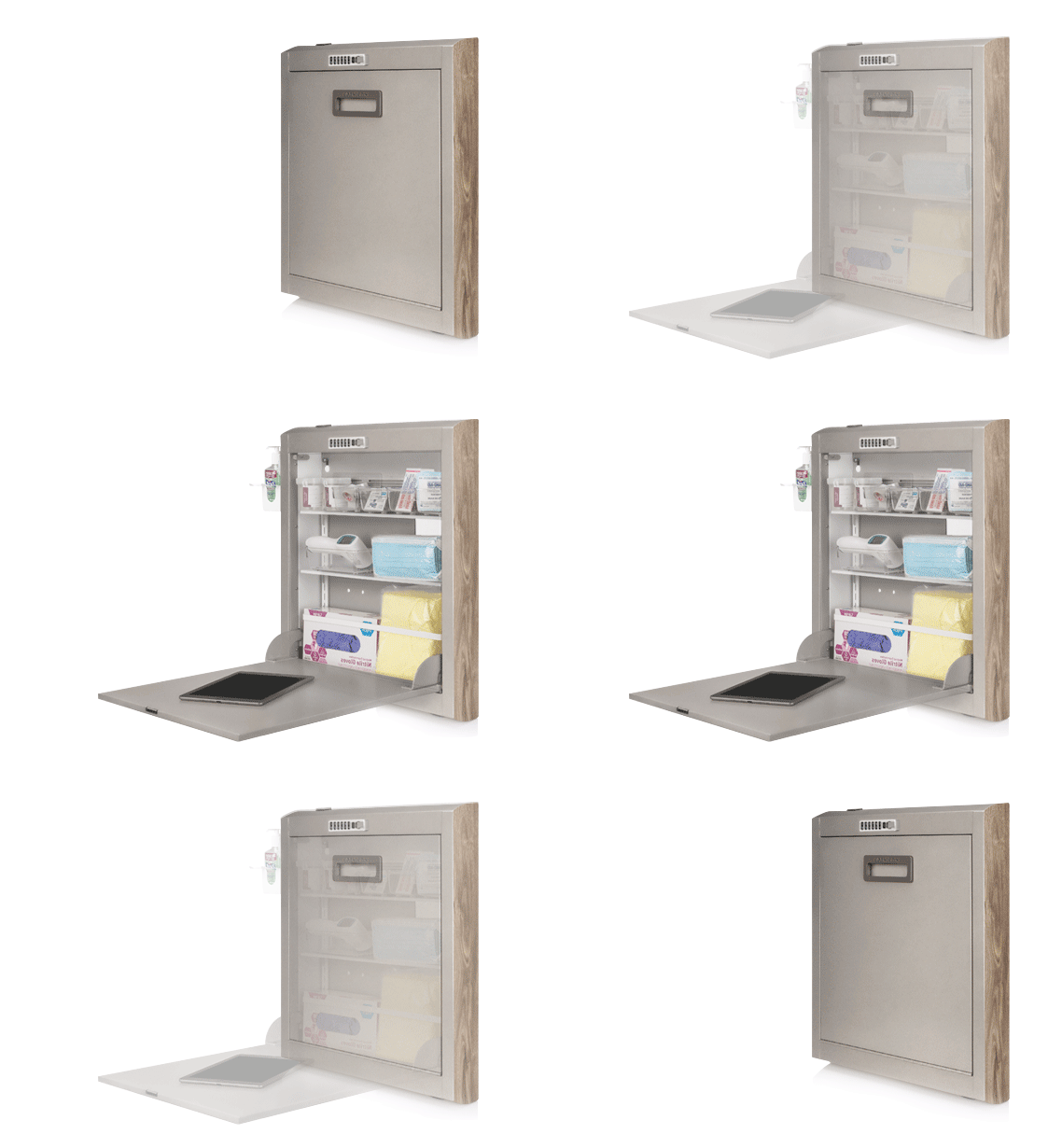
Flexible furniture allows healthcare facilities to design spaces that prioritize patient comfort. Modular seating can be arranged to accommodate families, individuals seeking privacy, or patients with mobility needs. Chairs with adjustable features and ergonomic support help create a more welcoming environment. Wall-mounted fold away desks also offer practical uses, such as using it as a surface to place items on, but can easily collapse to allow for your room when not in use, making it easier to get around if patients require wheelchairs or walkers.
In pediatric settings, adaptable furniture can also help create engaging and calming environments. Areas can shift between play zones, waiting areas, and quiet spaces depending on the needs of young patients and their families.
Supporting Efficient Healthcare Workflows
Healthcare professionals work in fast-paced environments where efficiency is essential. Furniture that supports flexible workflows can help staff perform their tasks more effectively while reducing stress and fatigue.
Adjustable desks and mobile workstations allow nurses and physicians to move easily between patient rooms, charting stations, and collaborative areas. This mobility helps streamline communication and ensures that important information is easily accessible.
Modular furniture can also support team-based care models, which are becoming increasingly common in modern healthcare. Spaces can be rearranged to support group discussions, case reviews, or interdisciplinary collaboration.
For example, staff lounges and meeting areas equipped with flexible seating and tables can quickly transition from informal break areas to training or planning spaces. This versatility ensures that facilities can maximize the use of every square foot.
Adapting to Technological Advancements
Healthcare technology continues to evolve, from electronic health records and telemedicine to advanced diagnostic equipment. Medical facilities must be able to integrate these technologies without constantly redesigning their spaces.
Flexible furniture solutions help accommodate these changes by providing adaptable workstations and equipment supports. Height-adjustable desks can accommodate computer systems, tablets, and medical devices while ensuring ergonomic comfort for staff.
Mobile carts and modular workstations are particularly valuable in technology-driven healthcare environments. These pieces allow equipment to be moved where it is needed, supporting telehealth consultations, bedside charting, or mobile diagnostic services.
As technology continues to advance, facilities that rely on adaptable furniture will be better prepared to integrate new tools without major structural changes.
Maximizing Space in Medical Facilities
Many healthcare facilities operate within limited square footage while trying to accommodate a growing number of patients and services. Efficient space utilization is essential for maintaining smooth operations.
Flexible furniture allows spaces to serve multiple purposes, helping facilities make the most of available areas. Waiting rooms can expand or contract depending on patient flow, while treatment rooms can be adjusted for different procedures or patient needs.
Furniture that can be easily moved or reconfigured also supports temporary adjustments during renovations or facility expansions. Instead of closing off entire sections of a building, healthcare providers can adapt existing spaces to maintain services during construction.
This ability to maximize space is particularly valuable in urban healthcare settings, where real estate costs are high and expanding physical structures is not always feasible.
Creating Comfortable Spaces for Staff
While patient comfort is essential, the well-being of healthcare staff is equally important. Doctors, nurses, and administrative personnel often spend long hours in demanding environments, making ergonomic and adaptable furniture crucial.
Height-adjustable desks, supportive seating, and modular workstations help reduce physical strain and improve posture. Staff areas that incorporate flexible furniture allow employees to create workspaces that suit their needs, whether they are charting patient information, holding team discussions, or taking short breaks.
Flexible lounge areas can also serve multiple purposes, providing space for relaxation, training sessions, or informal meetings. This versatility helps facilities support both productivity and employee well-being.
Healthcare organizations that invest in comfortable, adaptable environments often see improvements in staff morale and retention, which ultimately benefits patient care.

The Role of Flexible Furniture in Patient-Centered Care
Patient-centered care focuses on creating healthcare experiences that prioritize comfort, accessibility, and personalized treatment. Flexible furniture supports this philosophy by allowing spaces to be tailored to individual needs.
Consultation rooms can be arranged to encourage open communication between patients and providers. Waiting areas can be adjusted to create quieter zones for patients who need a calm environment. Family seating can be rearranged to allow loved ones to stay close during appointments or treatments.
This adaptability helps healthcare facilities create environments that feel less clinical and more supportive. When patients feel comfortable and respected, they are more likely to engage actively in their care and communicate openly with healthcare professionals.
Moving Toward Smarter Healthcare Environments
Flexible furniture solutions are transforming how medical facilities approach design and functionality. By allowing spaces to adapt quickly to changing needs, healthcare providers can improve efficiency, enhance patient experiences, and support staff productivity.
As healthcare continues to evolve, adaptability will remain a key priority for facility planners and administrators. Furniture that can be easily rearranged, adjusted, or repurposed offers a practical way to meet current demands while preparing for future challenges.
Modern medical facilities must balance technology, patient comfort, and operational efficiency within limited spaces. Flexible furniture provides a versatile solution that helps healthcare environments remain responsive, efficient, and welcoming for everyone who walks through their doors.