

Healthcare environments are complex, fast-paced, and deeply human-centered. Every second matters, and every design decision can influence outcomes. Workplace design is no longer just about aesthetics or space utilization; it plays a critical role in improving efficiency and supporting better patient care.
As healthcare systems continue to evolve, organizations are rethinking how physical environments can actively support productivity. From workflow optimization to ergonomic solutions, improving healthcare productivity through workplace design is a powerful tool for operational success.
The Connection Between Environment and Efficiency
Healthcare productivity is closely tied to how easily staff can move, access information, and interact with patients. Poorly designed workspaces can create bottlenecks and lead to unnecessary delays.
When environments are intentionally designed, they help streamline daily tasks. Nurses and clinicians spend less time searching for supplies, navigating cluttered areas, or adjusting to inefficient setups. Instead, they can focus on delivering care.
This approach aligns with the broader mission of improving the caregiving experience while enhancing outcomes for patients.

Designing for Workflow Optimization
One of the most impactful ways to improve productivity is by aligning workspace design with real-world workflows. Healthcare professionals follow predictable patterns throughout their shifts, and spaces should support—not interrupt—those patterns.
For example, decentralized workstations placed closer to patient rooms can reduce travel time. Mobile solutions allow caregivers to bring tools and information directly to the point of care. These design strategies eliminate unnecessary steps and improve response times.
Additionally, clear organization systems for charts and equipment reduce cognitive load. When everything has a designated place, staff can work more efficiently and with greater confidence.
Ergonomics and Caregiver Well-Being
Productivity is not just about speed; it’s also about sustainability. Healthcare workers often face long shifts, repetitive movements, and physically demanding tasks. Poor ergonomics can lead to fatigue, reducing employee efficiency.
Workplace design that prioritizes ergonomics can significantly improve performance. Adjustable work surfaces, supportive seating, and easy-to-maneuver equipment help reduce strain. Over time, this leads to fewer workplace injuries and higher job satisfaction.
By reducing physical stress, organizations empower caregivers to maintain focus and deliver consistent, high-quality care throughout their shifts.
The Role of Mobility in Modern Healthcare Spaces
Mobility has become a cornerstone of effective healthcare design. Static workstations can limit efficiency, especially in dynamic environments where patient needs change rapidly.
Mobile workstations and storage solutions enable caregivers to adapt quickly. Whether updating patient records, administering medications, or coordinating with colleagues, mobility ensures that essential tools are always within reach.
This flexibility not only improves workflow but also enhances patient interaction. Caregivers can stay present at the bedside instead of moving back and forth between fixed stations.
As healthcare facilities continue to prioritize patient-centered care, mobility will remain a key driver of productivity.
Reducing Clutter and Improving Organization
Clutter is more than a visual issue; it directly impacts efficiency. Disorganized spaces can slow down workflows and lead to errors.
Effective workplace design incorporates storage solutions that keep essential items accessible while minimizing visual noise. Wall-mounted systems, compact carts, and integrated storage units help maintain order without sacrificing accessibility.
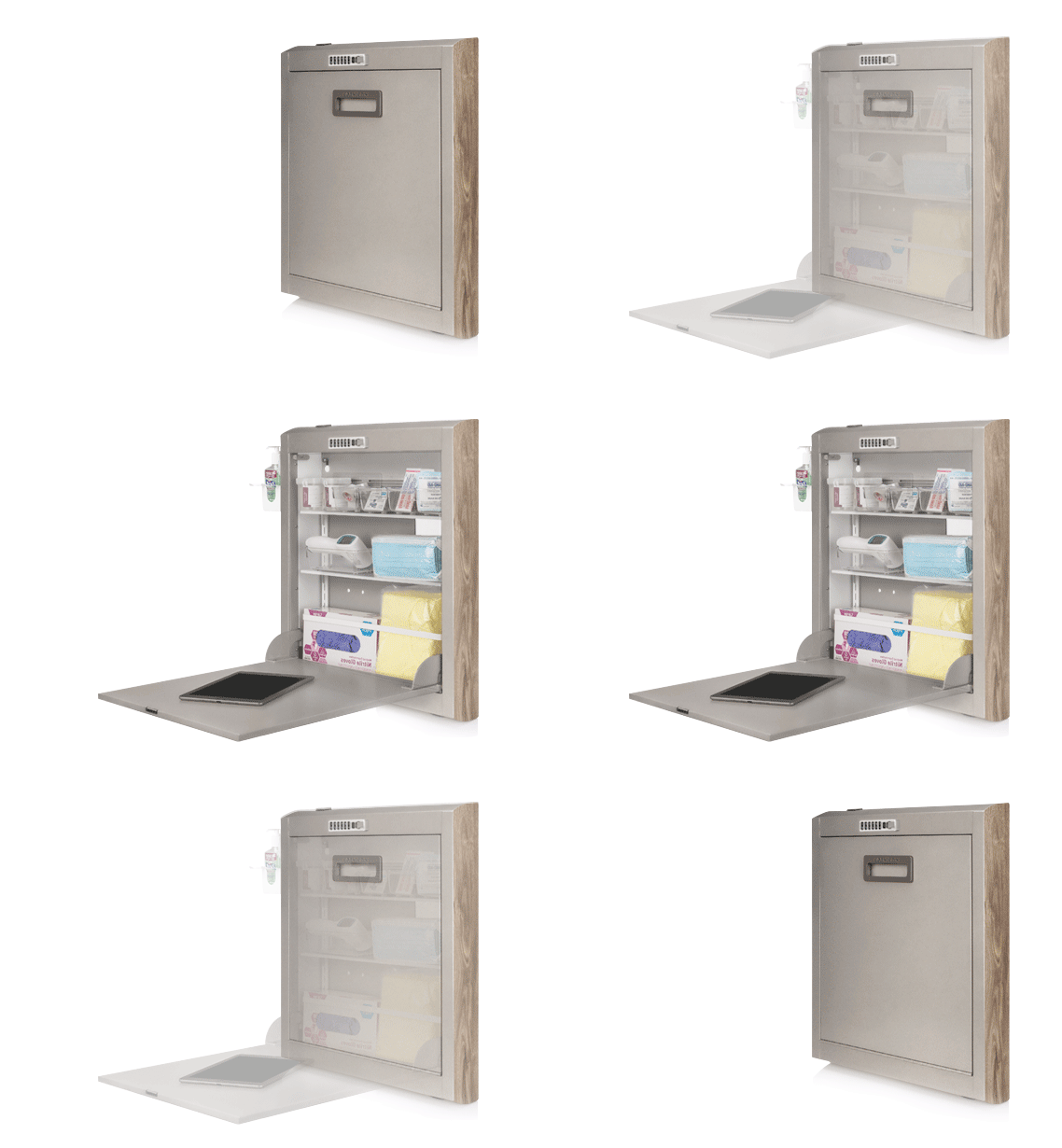
Furniture like desks and tables, if not organized properly, can take up a significant amount of space, adding to a cluttered environment. However, installations like computer wall desks can clear up space without sacrificing the utility of a work desk.
When staff can quickly locate what they need, they spend less time searching and more time focusing on patient care. This level of organization also supports compliance with safety and hygiene standards.
Technology Integration as a Productivity Driver
Technology is central to modern healthcare operations, but its effectiveness depends on how well it is integrated into the physical environment.
Workspaces should be designed to support seamless interaction with digital tools. This includes proper placement of monitors, secure mounting systems, and easy access to power sources.
When technology is thoughtfully incorporated, it enhances communication and decision-making. Caregivers can access real-time information without disrupting their workflow.
The goal is to make technology feel like a natural extension of the workspace rather than an obstacle.
Supporting Collaboration Through Design
Healthcare is inherently collaborative. Physicians, nurses, technicians, and administrative staff must work together efficiently to deliver optimal care.
Workplace design can either facilitate or hinder this collaboration. Open layouts, shared workstations, and strategically placed communication hubs encourage interaction and information sharing.
At the same time, it’s important to balance collaboration with the need for focus. Quiet zones and private work areas allow staff to complete tasks that require concentration.
By creating environments that support both teamwork and individual work, healthcare facilities can improve overall productivity.
Improving Resilience in the Workplace
Effective workplace design also supports long-term operational resilience. As healthcare facilities face staffing shortages and rising patient demands, environments must help teams do more with less effort.
Thoughtful layouts reduce wasted motion, while intuitive equipment placement minimizes training time for new staff. Over time, these efficiencies compound, creating measurable improvements in throughput and care quality.
Investing in adaptable, user-centered design is not just a short-term upgrade; it is a strategic decision that strengthens performance, supports staff retention, and ensures healthcare systems remain responsive in an increasingly complex and demanding landscape.

Adapting to Changing Healthcare Needs
Healthcare environments must be flexible enough to adapt to changing demands. Patient volumes, care models, and technology are constantly evolving.
Modular furniture and adaptable layouts make it easier to reconfigure spaces as needed. This flexibility ensures that facilities can respond quickly to new challenges without requiring extensive renovations.
A Thoughtful Approach to Better Outcomes
Improving healthcare productivity through workplace design requires a holistic perspective. It’s not about a single solution but rather a combination of strategies that work together to support caregivers and patients.
By focusing on workflow optimization, ergonomics, mobility, organization, and technology integration, healthcare facilities can create environments that truly enhance performance.
Carstens has long emphasized solutions that simplify workflows and improve interactions at the point of care, reinforcing the idea that design plays a critical role in better outcomes.
Enhance Productivity Through Design
Workplace design is a powerful yet often underutilized tool in healthcare. When done thoughtfully, it can transform how care is delivered, making processes more efficient and experiences more positive for both staff and patients.
As the industry continues to evolve, investing in smarter design will be essential. Healthcare organizations that prioritize their environments will be better positioned to improve productivity, support their teams, and deliver exceptional care.