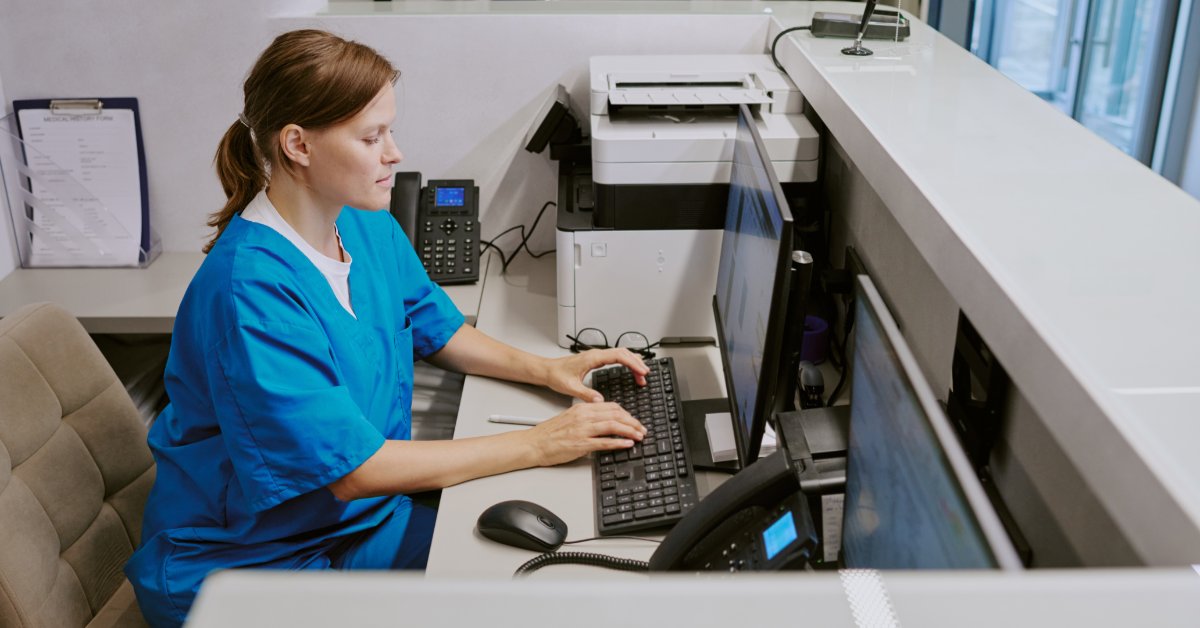

Healthcare organizations rely on accurate, accessible documentation to support patient care and keep daily operations running efficiently. While many facilities have adopted digital recordkeeping systems, physical records remain an important part of clinical workflows. Whether serving as primary documentation or as part of a hybrid filing system, organized paper records help staff locate critical information quickly and reduce unnecessary delays.
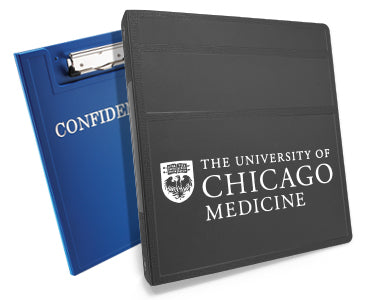
That's why knowing some tips to organize medical records with ring binders remains a relevant topic for healthcare professionals. Ring binders provide a flexible and dependable way to store patient information, accommodate updates, and maintain organized documentation without sacrificing accessibility. When implemented with thoughtful processes, they become an essential part of an efficient records management strategy.
Why Ring Binders Continue to Support Healthcare Documentation
Paper documentation continues to serve many healthcare environments, especially where backup systems, specialty records, or regulatory documentation are required. Ring binders offer a practical way to organize these materials while allowing staff to add, remove, or rearrange pages without damaging the record.
Unlike permanently bound folders, binders adapt as patient records grow over time. Departments can standardize layouts across hundreds or thousands of files, making it easier for staff members to locate the information they need regardless of which patient chart they access.
Well-organized binders also contribute to consistency, helping caregivers spend less time searching for documentation and more time focusing on patient care.
Tip 1: Standardize Binder Layouts Across Every Record
Consistency is one of the biggest advantages of using ring binders. Every patient record should follow the same organizational structure so staff always know where to find important information.
For example, demographic information may always appear first, followed by medical history, physician notes, medication records, laboratory results, and imaging reports. Maintaining this predictable sequence reduces confusion and speeds up chart retrieval during busy clinical hours.
A standardized structure also simplifies onboarding for new employees since everyone works from the same filing format.
Tip 2: Use Durable Binders Built for Daily Healthcare Use
Medical records are frequently handled throughout the day. Choosing durable ring binders helps protect important documents from wear caused by repeated opening, closing, and transportation between departments.
Heavy-duty construction, reinforced hinges, and high-quality rings reduce the risk of damaged pages or binder failures. Reliable materials also help maintain a professional appearance throughout years of regular use.
Investing in quality storage products often reduces replacement costs over time while supporting smoother daily workflows.
Tip 3: Create Clearly Labeled Sections
Dividing records into logical sections makes navigation significantly easier. Section dividers allow staff to move directly to the information they need without flipping through an entire chart.
Common divider categories may include patient history, physician documentation, nursing notes, medication administration records, laboratory reports, consent forms, insurance information, and discharge planning.
Clear labeling reduces search time while helping ensure documentation is filed in the proper location.

Tip 4: Choose Consistent Labeling Systems
Exterior binder labels are just as important as internal organization. Labels should remain easy to read from storage shelves while including only the information necessary for identification.
Many facilities standardize fonts, colors, and placement so records appear uniform throughout filing areas. Consistent labeling minimizes filing errors and supports faster retrieval during high-volume periods.
When records are returned after patient visits, staff can quickly identify the correct storage location.
Tip 5: Color-Code Departments or Record Types
Color coding adds another layer of organization to paper filing systems. Different binder colors or colored spine labels can distinguish departments, specialties, patient categories, or documentation types.
For example, pediatric files may use one color while surgical documentation uses another. Specialty clinics can implement their own visual systems to reduce filing mistakes and improve chart retrieval efficiency.
Visual organization often allows staff to locate records almost immediately without relying solely on printed labels.
Tip 6: Protect Frequently Used Documents
Certain forms receive significantly more handling than others. Insurance cards, medication lists, allergy information, and physician orders benefit from additional protection.
Sheet protectors help reduce tears, spills, and general wear while allowing staff to review documents without repeatedly removing them from the binder. Preserving these high-use pages helps maintain document quality throughout the patient's care journey.
Protective storage also supports compliance by helping ensure important documentation remains legible.
Tip 7: Keep Active and Archived Records Separate
As patient records accumulate over time, distinguishing active charts from archived documentation becomes increasingly important.
Separating current patient files from inactive records helps reduce shelf congestion while allowing staff to focus on documents needed for ongoing care. Archived binders can remain organized in designated storage areas while still following the same filing standards.
This approach supports better space management and simplifies long-term record retention practices.
Tip 8: Establish Filing Procedures for Every Team Member
Even the best filing system loses effectiveness without consistent execution. Every employee responsible for handling paper records should understand exactly how documents are filed, updated, and maintained.
Written procedures help minimize inconsistencies between departments and shifts. Training also reduces the likelihood of misplaced documentation, duplicate records, or incomplete charts.
Consistency across personnel strengthens the overall reliability of the filing system.
Tip 9: Review Records Regularly for Accuracy
Routine audits help ensure binders remain organized and complete. Missing documents, outdated forms, or incorrectly filed information can often be identified before they create workflow disruptions.
Regular reviews also provide opportunities to remove duplicate paperwork, verify section placement, and confirm that records continue following organizational standards.
Maintaining accurate documentation supports both operational efficiency and quality patient care.

Tip 10: Make Updates Simple With Flexible Ring Systems
Healthcare documentation changes constantly. New physician notes, laboratory results, referrals, and treatment plans must be incorporated quickly.
Ring binders make updates straightforward because individual pages can be inserted without reorganizing the entire chart. Staff can easily maintain chronological order while preserving established document sections.
This flexibility makes binders particularly valuable in environments where records evolve throughout extended treatment plans.
A properly organized medical records binder allows caregivers to update patient information efficiently while maintaining consistency across every chart.
Tip 11: Plan for Hybrid Record Management
Many healthcare organizations now combine physical documentation with electronic health record systems. Rather than replacing one system with another, facilities often benefit from allowing each format to serve its strongest purpose.
Paper records may provide immediate access during system downtime, support signed consent forms, or house specialty documentation that complements digital records. Ring binders integrate naturally into hybrid workflows by offering organized physical storage without sacrificing flexibility.
As healthcare technology continues evolving, hybrid documentation strategies help organizations balance accessibility, reliability, and operational efficiency.
Supporting Better Workflows Through Organized Documentation
Effective record organization goes beyond simply storing paperwork. It directly impacts how quickly caregivers access patient information, how accurately documentation is maintained, and how efficiently departments operate throughout the day.
Whether managing a small specialty clinic or a large healthcare facility, implementing standardized binder systems creates lasting improvements in productivity, organization, and patient care.
By following these practical strategies, healthcare teams can improve documentation processes while creating filing systems that remain dependable over time. In many clinical environments, 11 practical ways to organize medical records using ring binders continue to provide a simple yet highly effective framework for maintaining accurate, accessible patient documentation.