
Healthcare environments rely on organization to keep operations running efficiently. From patient records and medical supplies to medications and equipment, every item must have a designated place that supports quick access while maintaining compliance and cleanliness. Choosing the right storage solutions for medical facilities is about more than maximizing available space; it directly affects workflow efficiency, staff productivity, patient safety, and the overall quality of care.
Why Storage Matters in Healthcare
Storage solutions influence nearly every aspect of healthcare operations. An organized facility allows clinicians to locate supplies quickly, reduces unnecessary movement throughout departments, and helps prevent misplaced equipment.
Poor organization creates bottlenecks that can slow patient care. Staff members who spend valuable time looking for charts, forms, medications, or equipment are unable to devote that time to patient interactions. Well-designed storage systems reduce these inefficiencies while supporting standardized workflows across departments.
Storage also contributes to infection prevention. Properly organized cabinets, shelving, and enclosed storage help protect sensitive supplies from contamination while making cleaning routines easier for environmental services teams.
Understanding Your Facility's Needs
Every healthcare facility has unique storage requirements. A large hospital manages different inventory than a private physician's office, and an outpatient surgery center has different priorities than a long-term care facility.
Before selecting storage systems, facilities should evaluate the types of materials they use daily. Frequently accessed supplies should remain close to the point of care, while less commonly used items can be stored in centralized locations.
Healthcare leaders should also consider future growth. Storage solutions that accommodate expansion help organizations avoid costly replacements as patient volumes or service offerings increase.
Planning ahead ensures investments remain useful as workflows evolve over time.
Prioritizing Accessibility
Easy access is one of the most important characteristics of an effective storage system. Staff should be able to retrieve essential supplies quickly without interrupting patient care.
Frequently used items benefit from placement in mobile carts, wall-mounted storage, or organized cabinets located within treatment areas. Clearly labeled storage locations reduce confusion between shifts and help maintain consistency among staff members.
Accessibility also extends to ergonomics. Storage systems designed with comfortable reach zones reduce unnecessary bending, stretching, and lifting, supporting employee safety while improving efficiency.
When caregivers spend less time navigating cluttered storage areas, they can respond more quickly to patient needs.

Supporting Hybrid Documentation Workflows
Although electronic health records continue to expand across healthcare, paper documentation still plays an important role in many organizations. Consent forms, temporary documentation, printed discharge instructions, and specialty records often remain part of everyday workflows.
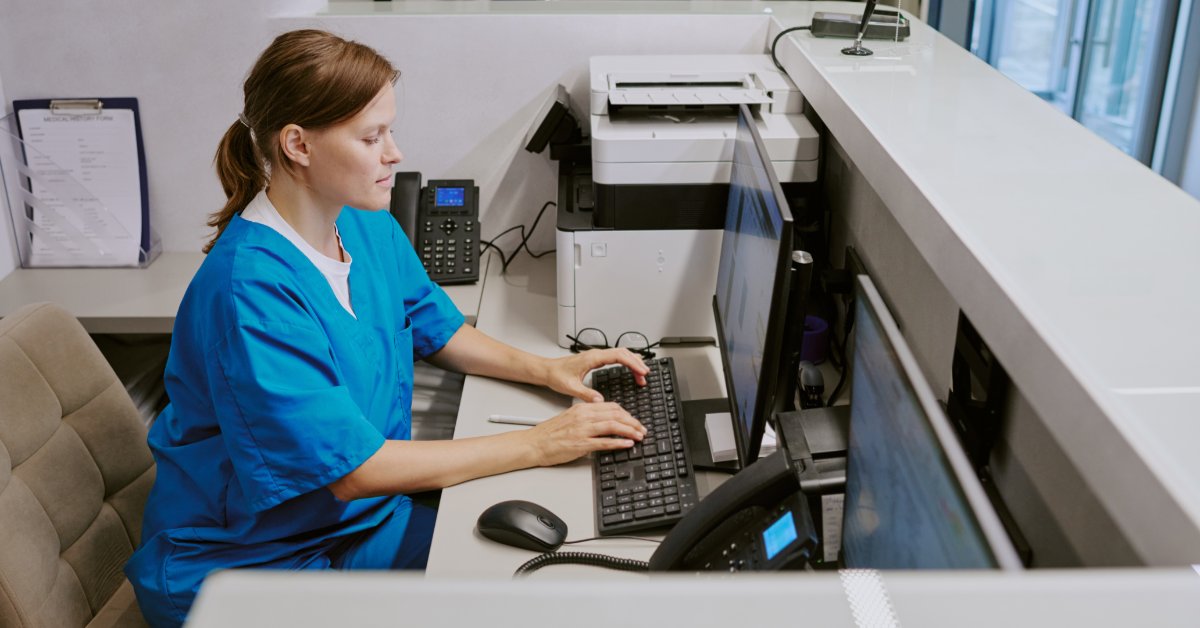
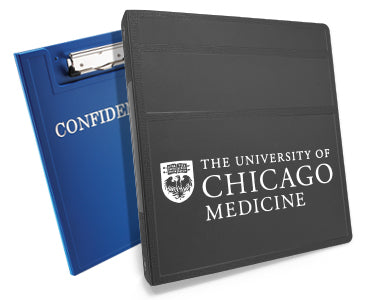
Storage systems should support this hybrid environment by accommodating both digital equipment and physical documents. Secure chart racks, filing systems, document holders, and workstation accessories help keep information organized while maintaining accessibility.
Physical records also provide valuable redundancy during technology outages. Facilities that maintain organized paper storage can continue delivering care without significant workflow interruptions when electronic systems become temporarily unavailable.
Maximizing Limited Space
Many healthcare facilities face space constraints. Patient volumes continue to increase while buildings often remain unchanged, making efficient storage planning increasingly important.
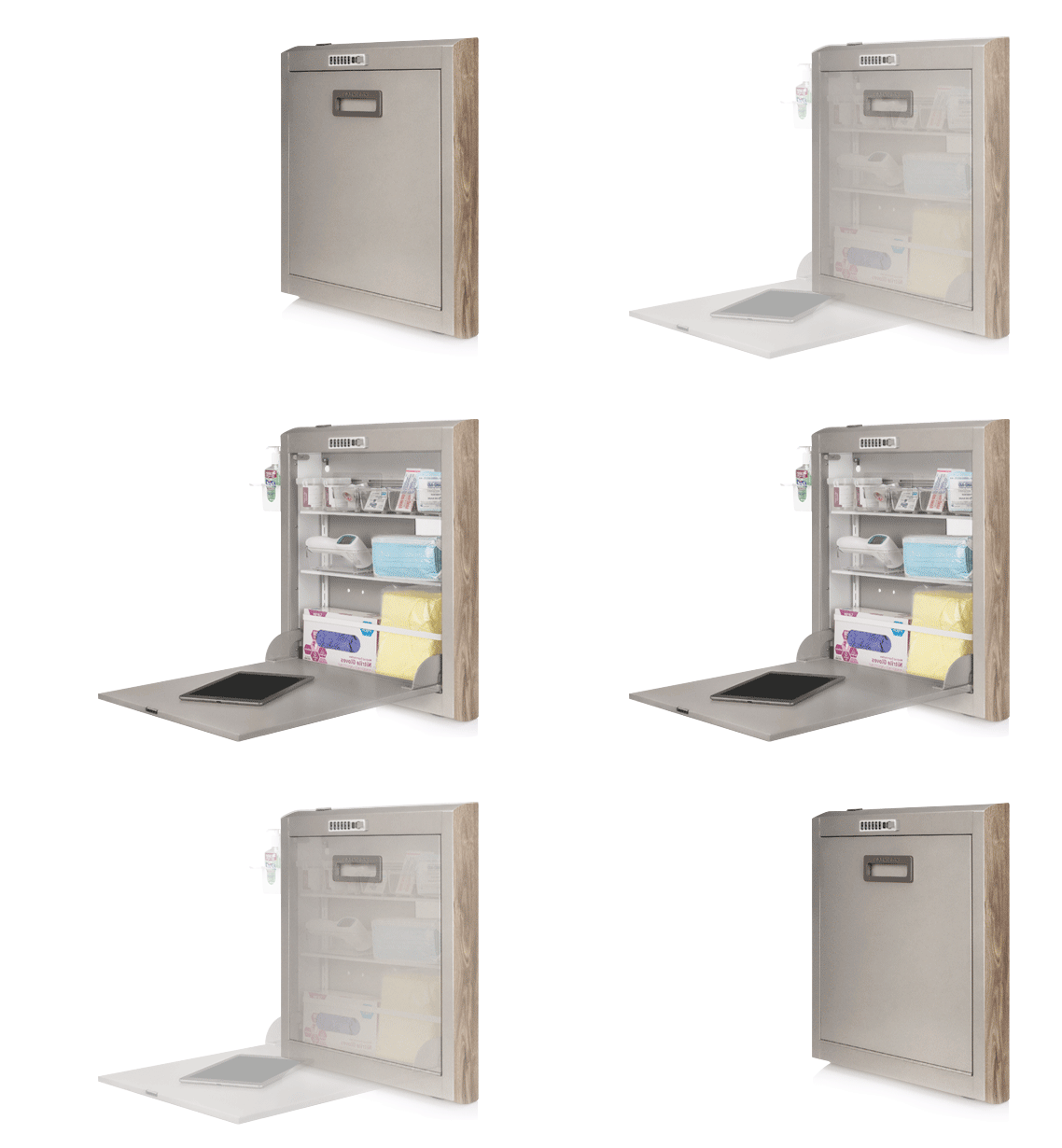
Vertical storage systems help maximize wall space without reducing valuable floor area. Mobile storage units provide flexibility, allowing departments to reconfigure layouts based on changing needs. Modular shelving systems can expand as inventory grows while maintaining organization.
Choosing furniture that serves multiple purposes also improves space utilization. Storage integrated into workstations or carts helps reduce clutter while keeping necessary supplies within reach.
Efficient layouts create cleaner environments that feel less crowded for both staff and patients.
Organizing Supplies for Faster Workflows
Healthcare teams perform best when supplies are consistently organized. Standardized storage locations allow every staff member to locate items quickly regardless of shift changes or department assignments.
Grouping similar supplies together simplifies inventory management while reducing duplicate purchasing. Clear labeling further improves consistency by minimizing confusion during busy clinical situations.
Facilities should also establish regular inventory reviews to remove expired products, eliminate unnecessary stock, and identify opportunities for process improvements.
Using medical office organization supplies can further support standardized storage practices by helping departments create clearly defined locations for documents, forms, labels, and frequently used materials.
Consistent organization reduces wasted time while supporting smoother patient care throughout the day.
Security and Compliance Considerations
Healthcare storage solutions must protect sensitive information and valuable equipment. Storage systems should support regulatory requirements while allowing authorized personnel efficient access.
Lockable cabinets help secure medications, confidential records, and specialized equipment. Controlled access storage reduces the risk of unauthorized use while supporting accountability across departments.
Proper storage also assists with regulatory compliance by maintaining organized documentation and protecting patient information. Clearly defined filing systems simplify audits and improve record retrieval when necessary.
Security should never come at the expense of workflow efficiency. The best storage solutions balance protection with accessibility.
Flexibility for Changing Healthcare Environments
Healthcare operations constantly evolve. Departments expand, technology changes, and patient needs shift over time. Storage systems should offer flexibility rather than requiring complete replacement whenever workflows change.
Modular cabinets, adjustable shelving, mobile carts, and reconfigurable storage systems allow facilities to adapt without major renovations. Flexible storage also supports temporary workflow adjustments during seasonal patient surges or facility remodeling projects.
Organizations that invest in adaptable systems often achieve greater long-term value because equipment continues supporting new operational requirements.
Future-ready storage minimizes disruption while protecting capital investments.

Supporting Staff Efficiency and Satisfaction
Well-designed storage affects more than organization; it also influences employee satisfaction. Clinicians work in demanding environments where every minute matters. Reducing unnecessary searching, walking, and lifting contributes to a smoother workday.
Organized workspaces create predictable routines that reduce frustration and improve collaboration among healthcare teams. New employees also become productive more quickly when standardized storage systems make supplies easy to locate.
Efficient environments allow caregivers to focus on patient interactions rather than operational obstacles.
Supporting staff through thoughtful workplace design ultimately benefits patients as well.
Selecting Durable Healthcare Storage Solutions
Healthcare furniture and storage systems experience constant daily use. Products must withstand frequent cleaning, heavy traffic, and continuous movement without compromising performance.
Durable materials help organizations reduce replacement costs while maintaining a professional appearance over time. Surfaces should tolerate healthcare-grade disinfectants, resist damage, and remain easy to sanitize.
Quality construction also contributes to workplace safety by minimizing equipment failures and maintaining reliable operation throughout years of use.
When evaluating storage systems, organizations should consider long-term durability alongside initial cost.
Creating an Integrated Storage Strategy
Rather than viewing storage as individual cabinets or shelves, healthcare organizations benefit from developing comprehensive storage strategies. Every department should work together to create consistent organizational standards that improve communication and efficiency.
An integrated approach considers patient flow, staff movement, supply replenishment, documentation management, and future operational needs. Combining centralized inventory with decentralized point-of-care storage often provides the best balance between accessibility and efficient inventory control.
Regular assessments help facilities identify opportunities for improvement as workflows evolve. Small adjustments to storage placement can significantly improve productivity without requiring major investments.
Invest in the Supplies You Need
Selecting appropriate storage systems for healthcare facilities requires thoughtful planning that aligns physical space with clinical workflows. When storage supports caregivers instead of slowing them down, healthcare organizations create environments where efficiency, safety, and patient care work together seamlessly.
By investing in organized, durable, and adaptable storage solutions, healthcare facilities position themselves to meet today's operational demands while preparing for tomorrow's challenges. The right storage strategy is not simply about where supplies are kept; it is about creating a workplace that enables caregivers to deliver the highest level of care every day.