
Healthcare environments demand accuracy and flexibility in every interaction. While electronic health records (EHRs) have transformed how information is stored and shared, physical documentation continues to play an important role in many facilities. Rather than choosing between paper and digital systems, many organizations find that a hybrid approach provides the strongest foundation for supporting caregivers and patients.
Understanding the benefits of using hard copy chart filing systems in healthcare helps professionals build documentation workflows that complement digital tools while providing additional layers of accessibility, organization, and reliability.
Hard copy systems are not intended to replace technology. Instead, they serve as valuable components within a broader documentation strategy that balances efficiency with practical day-to-day needs.
Reliability When Systems Are Unavailable
One of the most significant advantages of incorporating hard copy chart filing systems into a hybrid workflow is the added reliability they provide. Digital systems depend on power, network connectivity, software performance, and user access credentials. While healthcare organizations invest heavily in maintaining these systems, interruptions can still occur.
During outages, maintenance windows, or unexpected technical issues, physical records and printed documentation can help ensure caregivers retain access to critical information. This continuity supports patient care while reducing disruptions to clinical operations.
By maintaining organized physical documentation alongside electronic records, facilities create an important safeguard that strengthens overall resilience.
Improved Workflow Visibility
Even in highly digital environments, physical documentation often provides workflow visibility that can be difficult to replicate electronically. Printed charts, patient tracking tools, and organized filing systems allow staff to quickly identify status updates, pending actions, and information that requires attention.
When documents are stored in clearly labeled chart racks or filing systems, teams can easily see where information is located and who may need it next. This visibility can improve coordination across departments and reduce time spent searching through multiple electronic screens or applications.
In hybrid environments, physical records often serve as quick-reference tools that support more efficient decision-making.
Supporting Diverse Healthcare Teams
Healthcare organizations bring together professionals with varying levels of technical expertise and workflow preferences. While EHR systems are essential, physical documentation remains familiar and intuitive across departments.
Printed forms, reference materials, and supplemental documentation can simplify certain processes and reduce reliance on software navigation during busy clinical situations. This accessibility can be especially valuable during onboarding, training, or temporary staffing situations where workflow consistency is important.
A hybrid approach allows teams to take advantage of digital efficiencies while maintaining practical tools that support everyday caregiving responsibilities.

Physical Documentation Supports Clinical Accuracy
Certain types of information are often easier to review, annotate, and discuss in a physical format. Clinicians may use printed summaries, care plans, or patient instructions to facilitate conversations, make notes, or verify information during care delivery.
Physical documents also provide an additional reference point when validating information between systems. Rather than relying exclusively on electronic screens, staff can compare documentation across formats to help ensure accuracy and completeness.
Within a hybrid workflow, hard copy materials serve as complementary resources that enhance documentation quality rather than replace digital records.
The Value of Hybrid Documentation Systems
Perhaps the strongest argument for hard copy chart filing systems is how effectively they support hybrid healthcare environments. Most organizations today operate with a combination of electronic records and physical documents.
Consent forms, patient education materials, signed authorizations, care summaries, and workflow tracking documents frequently exist in physical formats even when core records are stored digitally. Well-designed chart filing systems help manage these materials efficiently while ensuring they remain accessible when needed.
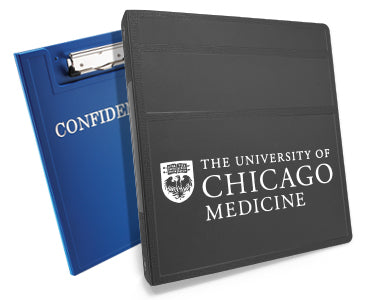
A well-organized document pocket folder can help secure important paperwork, making it easier for staff to move between digital and physical workflows without sacrificing organization or efficiency.
Rather than viewing paper and digital systems as competing approaches, many healthcare facilities recognize that each serves a distinct purpose within a comprehensive documentation strategy.
Better Patient Engagement
Technology offers tremendous advantages, but patient interactions remain at the center of healthcare delivery. Physical documentation can support more natural conversations by allowing caregivers to review information directly with patients without relying entirely on a computer screen.
Printed care plans, instructions, and educational materials often make it easier for patients to follow along and ask questions. This approach can improve communication while helping patients feel more engaged in their care.
When combined with digital documentation systems, physical materials contribute to a more patient-centered experience.
Reduced Risk Through Documentation Redundancy
One benefit of a hybrid model is redundancy. Relying entirely on a single system creates potential vulnerabilities, whether those vulnerabilities involve technology failures, data access issues, or workflow disruptions.
Maintaining select physical documentation alongside electronic records creates additional safeguards that help protect access to important information. This layered approach can be particularly valuable during emergencies, transitions, or periods of system maintenance.
For many healthcare organizations, hard copy systems function as part of a broader risk management strategy rather than as a standalone documentation method.
Flexible Organization and Customization
Physical filing systems can be customized to align with specific operational needs. Color-coded folders, department-specific filing structures, and specialized chart storage solutions allow facilities to create workflows that support their unique processes.
These visual organizational tools often complement digital systems by providing quick identification and easy access to frequently used materials. Staff can locate documents efficiently while maintaining consistency across departments.
When integrated thoughtfully into a hybrid workflow, physical filing systems help streamline daily operations and reduce unnecessary complexity.
Supporting Compliance and Documentation Management
Healthcare organizations must maintain accurate records while meeting regulatory requirements. Physical documentation can play an important role in supporting compliance efforts by providing tangible records of signatures, acknowledgments, and other critical information.
When managed properly, hard copy records offer an additional layer of documentation control. They can be securely stored, tracked, and referenced alongside electronic systems as part of a comprehensive records management program.
This combination of digital accessibility and physical accountability helps support strong documentation practices throughout the organization.

Maintaining Continuity During Organizational Change
Healthcare facilities regularly implement new technologies, update workflows, and adapt to evolving regulations. During these transitions, hard copy chart filing systems often provide stability and continuity.
Physical documentation can serve as a reliable bridge while teams learn new systems, migrate data, or adjust operational processes. Having both digital and physical resources available helps minimize disruptions and supports smoother implementation efforts.
A hybrid strategy ensures critical information remains accessible throughout periods of change.
A Practical Approach to Modern Healthcare Workflows
When evaluating documentation strategies, healthcare organizations increasingly recognize that the discussion is not about choosing paper or digital records. Instead, it is about determining how each can contribute to a more effective workflow.
The benefits of using hard copy chart filing systems are most apparent when they are integrated into a broader documentation ecosystem. Physical records provide visibility, flexibility, and backup support, while digital systems deliver accessibility, scalability, and data-sharing capabilities.
Together, these tools create a balanced approach that addresses the realities of modern healthcare operations.
Building Resilient Documentation Systems
Hard copy chart filing systems continue to serve an important purpose in healthcare, not as replacements for digital technology but as complementary tools that strengthen overall workflow performance.
By understanding the benefits of using hard copy chart filing systems within a hybrid environment, healthcare organizations can create documentation strategies that support reliability, efficiency, and patient-centered care.
As healthcare continues to evolve, the most effective organizations will be those that combine proven physical documentation practices with advanced digital tools, creating resilient systems that support caregivers and improve the patient experience.