
Proper management of medical filing systems and ensuring data safety are critical responsibilities in any healthcare organization. Patient records are not only essential for providing quality care, but they also include sensitive medical and personal information that medical facilities must protect. With growing concerns around data breaches and regulatory compliance, there is an increasing necessity to adopt robust medical filing methods and advanced data security protocols. Review the fundamentals of managing medical filing systems effectively and implement the best practices for safeguarding sensitive information.
The Importance of Streamlined Medical Filing Systems
Efficient medical filing systems are the backbone of any healthcare practice. These systems ensure that patient information is easily accessible when needed, enabling healthcare providers to deliver accurate and timely care. A reliable system minimizes errors, reduces duplication of work, and improves patient outcomes by ensuring that all relevant data is available at the point of care.
Alongside practical efficiency, good filing systems are crucial for legal and regulatory compliance. Laws such as HIPAA (Health Insurance Portability and Accountability Act) in the United States mandate that healthcare organizations maintain secure and clear recordkeeping practices. Poor filing systems can lead to disorganized data, resulting in legal penalties and loss of accreditation. By implementing a streamlined system, healthcare providers not only improve operational efficiency but also maintain compliance with strict legal standards.

Transitioning to Electronic Medical Records
The transition from traditional paper-based records to electronic medical records (EMRs) is a significant advancement for modern medical filing systems. EMRs allow healthcare providers to store, retrieve, and share data more efficiently. With the adoption of EMRs, healthcare professionals can drastically reduce the time spent on manual administrative work, focusing instead on patient care.
Despite these benefits, transitioning to EMRs comes with its challenges. Proper staff training is essential to ensure effective implementation, as is choosing a system that aligns with the specific needs of the clinic or hospital. Organizations must also plan for potential downtime during the transition while maintaining access to critical patient data. With thoughtful planning and execution, however, the move to EMRs can establish a more secure and efficient filing system.
The Role of Data Safety in Healthcare
Data safety is more important than ever in the era of digital medical filing systems. Cybersecurity threats, such as ransomware attacks and unauthorized data breaches, pose serious risks to healthcare organizations. A single data breach can compromise thousands of patient records, leading to financial losses, legal consequences, and reputational damage.
To safeguard sensitive information, healthcare organizations must invest in cutting-edge cybersecurity technologies. This includes encryption to protect data in transit and storage, firewalls to prevent unauthorized access, and secure logins with multi-factor authentication. Regularly updating software and systems is another critical step in defending against evolving cyber threats. Organizations should conduct periodic data safety audits to identify vulnerabilities and strengthen their defenses.
Training and Awareness for Staff
While implementing advanced technologies is vital, you should not overlook the human element of data safety. Employees in the healthcare field must have adequate training to recognize potential security threats and to handle patient information responsibly. Comprehensive training programs on data privacy laws, secure communication practices, and recognizing phishing attempts can empower staff to act as the first line of defense against breaches.
A strong culture of data safety relies on consistent reinforcement. Healthcare organizations should regularly update staff on emerging threats and refresh training to align with updated regulations or systems. When employees understand the importance of maintaining secure medical filing systems, they are more likely to adhere to established protocols and use technology responsibly.
Ensuring Compliance With Regulatory Standards
Meeting regulatory standards is a fundamental aspect of managing medical filing systems and ensuring data safety. Laws like HIPAA in the United States, GDPR (General Data Protection Regulation) in Europe, and other local regulations outline strict requirements for handling patient data. Noncompliance not only risks severe penalties but can also erode trust among patients and stakeholders.
Healthcare organizations must remain vigilant about regulatory changes and ensure their systems and practices align with legal requirements. This could involve appointing a compliance officer to oversee data management practices, performing regular audits, and maintaining clear documentation. Staying compliant not only avoids legal risks but also demonstrates a commitment to patient confidentiality and data integrity.
Addressing Data Backup and Disaster Recovery Plans
One critical aspect often overlooked in medical filing systems and data safety is the importance of data backups and disaster recovery plans. Healthcare organizations must have reliable backup systems in place to prevent data loss. Whether it's due to hardware failure, a natural disaster, or a cyberattack, having a solid recovery plan ensures that patient care remains uninterrupted.
Backup systems should include both localized and off-site solutions to provide an extra layer of security. Cloud-based storage systems can be particularly useful, as they ensure data remains accessible even if on-site servers are compromised. Organizations must also routinely test their recovery plans to ensure they work effectively during real emergencies.
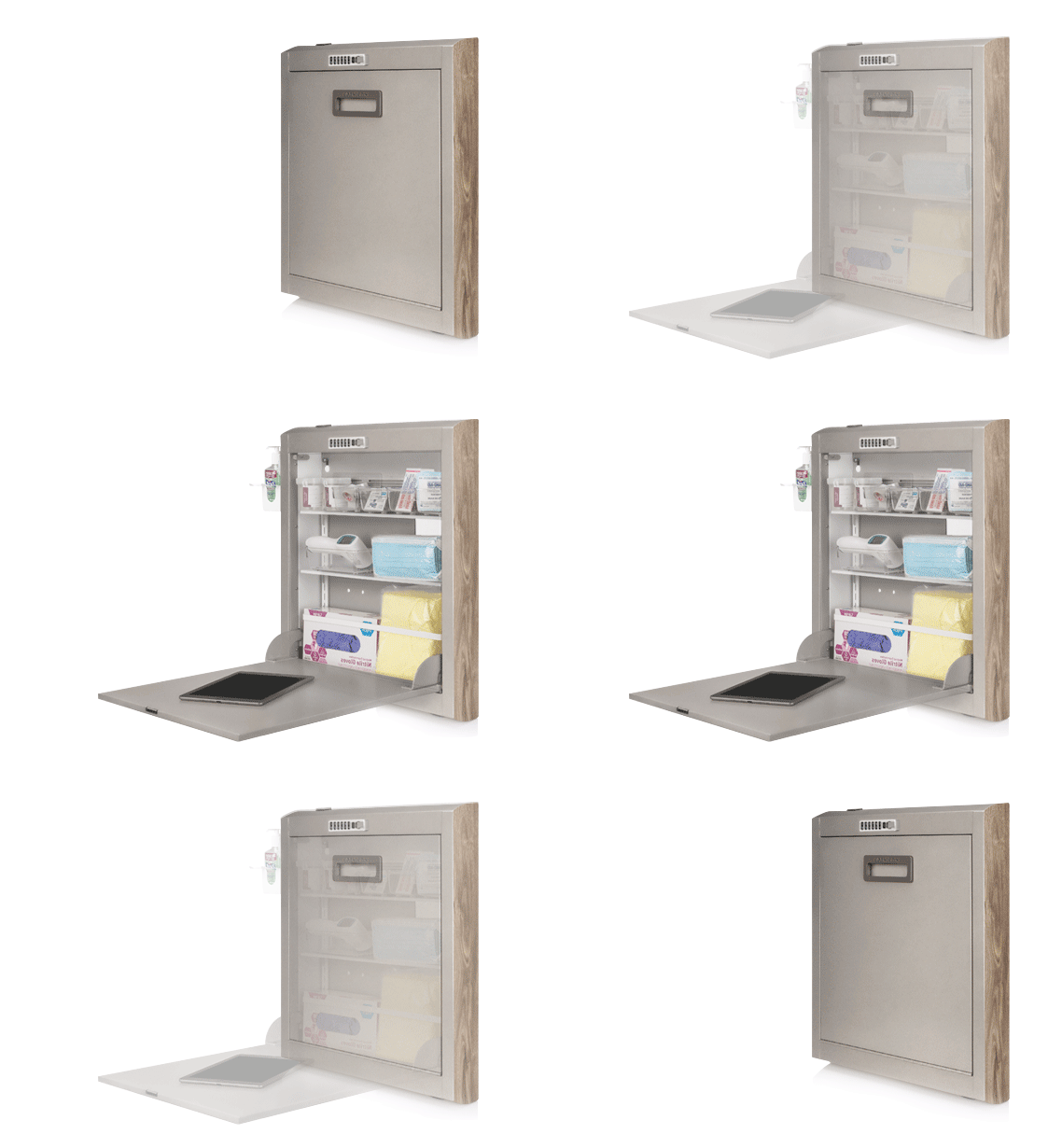
When your electronic files are temporarily unreachable, you’ll want easily accessible physical records and charts on hand for quick reference. Visitray filing systems allow medical professionals to effortlessly find and retrieve important documents during electronic record downtime.
Benefits of Patient-Centric Filing Systems
A well-designed medical filing system isn't just beneficial for healthcare providers; it also enhances the patient experience. Patients expect medical professionals to handle their information with care and accuracy. A reliable filing system reduces errors, avoids unnecessary delays, and boosts overall trust in the healthcare process.
Digital systems like patient portals can empower individuals by giving them access to their medical records, appointment schedules, and test results. By increasing transparency and communication, healthcare organizations can build stronger relationships with their patients and foster long-term loyalty.

The Future of Medical Filing Systems and Data Safety
The future of medical filing systems will be shaped by technological innovation. Artificial intelligence (AI) and machine learning are playing an increasingly important role in identifying patterns, predicting outcomes, and ensuring data integrity. Blockchain technology also shows promise in enhancing the security and transparency of medical records, enabling a decentralized data storage model that minimizes risks of tampering.
However, professionals must balance advancements in technology with a patient-first approach. Managing medical filing systems in the future will not only involve adopting new tools but also ensuring that these systems remain accessible and user-friendly.
Manage and Protect Data
Managing medical filing systems and data safety are essential components of modern healthcare. By streamlining operations, implementing rigorous security measures, and fostering a culture of compliance and awareness, organizations can enhance both efficiency and trust. Although navigating the complexities of data safety may seem daunting, adopting proactive strategies and forward-thinking solutions can help healthcare providers stay ahead in an evolving digital landscape.
If your medical practice is trying to update its filing system and data security, Carstens is here to help you during the process. Our doctor’s office filing system supplies allow you to take full control of patient documentation. Contact us today to learn more about how we can help you stay organized.